

Mumbai’s politics are complex due to a mix of historical, cultural, and contemporary factors that create a fragmented and dynamic political landscape. Here’s a breakdown of why it feels so confusing:
- Multiple Political Players and Alliances: Mumbai, as Maharashtra’s capital and India’s financial hub, is a battleground for national and regional parties. The Bharatiya Janata Party (BJP), Shiv Sena (split into Eknath Shinde’s faction and Uddhav Thackeray’s Shiv Sena-UBT), Nationalist Congress Party (NCP, also split between Ajit Pawar and Sharad Pawar factions), Congress, and Maharashtra Navnirman Sena (MNS) all compete for influence. Shifting alliances, like the 2019 Maha Vikas Aghadi (MVA) coalition (Shiv Sena-UBT, NCP, Congress) and the 2022 split when Shinde’s faction joined BJP, create instability and make it hard to predict political outcomes.
- Regional Identity vs. Cosmopolitan Nature: Mumbai’s politics are shaped by the tension between its Marathi-speaking majority and its diverse, migrant population. Parties like Shiv Sena and MNS emphasize Marathi pride (e.g., demands for Marathi language use), while others, like BJP, appeal to broader demographics, including Hindi-speaking and Gujarati communities. This creates divisive issues, such as the recent controversy over Hindi as a third language, sparking protests from Shiv Sena-UBT and MNS.

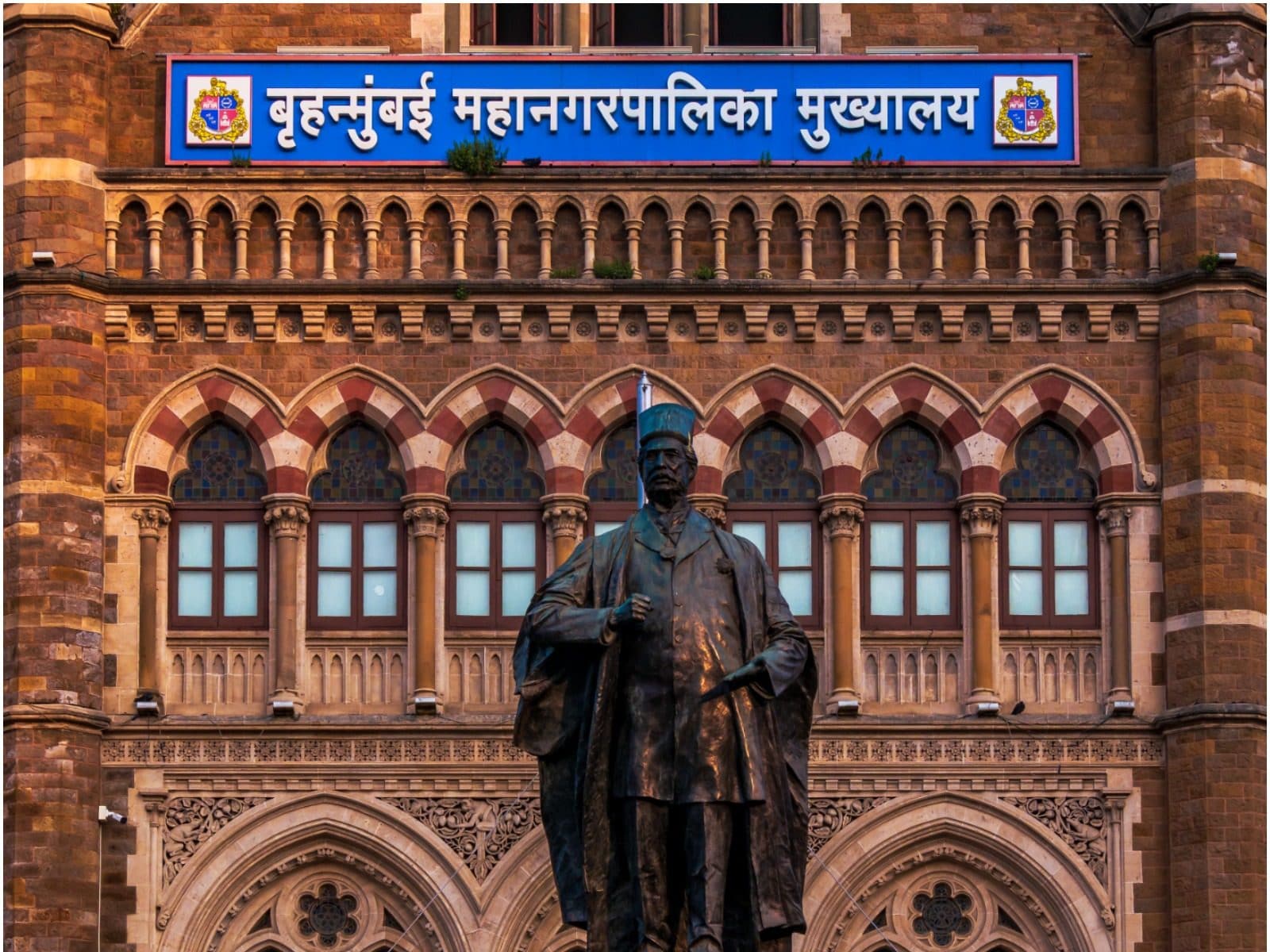
- High-Stakes Civic Governance: The Brihanmumbai Municipal Corporation (BMC), India’s richest civic body, is a major political prize due to its massive budget. However, delayed BMC elections (none since 2022) have led to bureaucratic control, fueling accusations of deliberate delays by BJP and Shinde’s Sena to avoid losing ground to rivals like Shiv Sena-UBT. This lack of elected representation adds to the political chaos.
- Personal and Dynastic Rivalries: Personal feuds and dynastic politics, like the Thackeray cousins (Uddhav and Raj) or splits within NCP, complicate loyalties. Recent moves, like the joint rally between Shiv Sena-UBT and MNS against Hindi language policies, suggest tactical alignments but also highlight ideological overlaps and opportunism.
- Polarization and Controversies: Political rhetoric often escalates into public spats, such as the Kunal Kamra controversy, where his remarks against Deputy CM Eknath Shinde led to vandalism by Shinde’s supporters, highlighting how personal and political grievances intertwine. Similarly, allegations against Aaditya Thackeray in a murder case probe add fuel to polarized narratives.
- Socio-Economic Pressures: Mumbai’s challenges—traffic congestion, flooding, housing shortages, and infrastructure woes—amplify political tensions. Parties exploit these issues to gain voter support, but governance failures (e.g., monsoon flooding despite BMC’s budget) lead to public distrust, further muddying the political waters.
In short, Mumbai’s politics are a tangle of competing identities, fractured alliances, delayed elections, and high-stakes governance issues, all set against a backdrop of cultural and economic diversity. The lack of a clear dominant force and constant realignments keep the landscape unpredictable. For the latest updates, following sources like Times of India or Mumbai Live can provide real-time insights.

Hi, How are you dear. Hope you are good