

The impact of election results on Mumbai’s future depends on which elections are considered—state assembly, national, or local (Brihanmumbai Municipal Corporation, BMC). Since your question doesn’t specify, I’ll focus on the 2024 Maharashtra Legislative Assembly elections and the upcoming 2025 BMC elections, as these are the most relevant to Mumbai’s immediate future based on recent data. I’ll also address key areas like infrastructure, civic governance, and socio-economic policies, while considering the political dynamics at play.
1. 2024 Maharashtra Legislative Assembly Election Results
The 2024 Maharashtra Assembly elections, held on November 20, saw the BJP-led Mahayuti alliance (comprising BJP, Eknath Shinde’s Shiv Sena, and Ajit Pawar’s NCP) secure a landslide victory, winning 235 out of 288 seats statewide, with 26 seats in Mumbai and its suburbs alone. The opposition Maha Vikas Aghadi (MVA), including Congress, Uddhav Thackeray’s Shiv Sena (UBT), and Sharad Pawar’s NCP (SP), managed only 11 seats in Mumbai. This outcome has significant implications for Mumbai’s future.
Infrastructure and Development
- Continuation of Mahayuti Projects: The Mahayuti government has prioritized large-scale infrastructure projects like the concretisation of Mumbai’s roads, the Gargai Pinjal Plant for water supply, and the creation of an open park at Mahalaxmi Race Course. These projects, estimated at ₹10,705 crore, are likely to progress faster with Mahayuti’s reinforced mandate. The Coastal Road, Metro network expansion, and Atal Setu (MTHL) are also expected to see sustained focus, potentially transforming Mumbai’s skyline and connectivity over the next five years.
- Shift Away from MVA Priorities: Projects like the desalination plant, championed by the MVA during its tenure, may remain sidelined. The Mahayuti government has criticized desalination for its environmental impact and high costs, favoring alternatives like the Gargai Pinjal project.
- Economic Growth: Mumbai, as India’s financial capital, benefits from political stability. The Mahayuti victory, backed by pro-business policies like cash handouts (e.g., $18 monthly payments to underprivileged women), signals a focus on economic growth and addressing income inequality, which could stabilize Mumbai’s economy and attract investment. However, unresolved issues like unemployment and rising inflation, especially in urban areas, could challenge these efforts if not addressed effectively.
Political Stability and Governance
- Strengthened BJP Influence: The BJP’s dominance (15 seats in Mumbai) and the appointment of Devendra Fadnavis as Chief Minister for his third term on December 5, 2024, ensure policy continuity. This could streamline decision-making for Mumbai, which has been under a state-appointed BMC administrator since 2022 due to delayed civic elections.
- Weakened Opposition: The MVA’s poor performance (only 10 seats for Shiv Sena UBT and 3 for Congress in Mumbai) diminishes its ability to influence state-level policies affecting the city. The lack of a Leader of the Opposition from MVA in the state assembly further limits their leverage. This could reduce checks on Mahayuti’s governance, potentially leading to unilateral decision-making but also faster project execution.
Social and Cultural Dynamics
- Shiv Sena’s Regional Influence: The Shinde-led Shiv Sena’s success (6 seats in Mumbai) reinforces its claim over the Marathi voter base, which, combined with BJP’s broader appeal, marginalizes Uddhav Thackeray’s Shiv Sena (UBT). Posts on X suggest that Uddhav’s faction retains emotional resonance with some Mumbaikars due to the Thackeray legacy, but its electoral losses in Hindu-dominated areas indicate a shift toward Mahayuti’s narrative.
- Voter Sentiment: Posts on X highlight mixed sentiments—MVA supporters cite dissatisfaction with Mahayuti over issues like price rises and the Shivaji Maharaj statue collapse, but Mahayuti’s infrastructure achievements appear to have swayed voters. This suggests Mumbai’s future policies will prioritize visible development over populist measures like freebies, which were less effective for MVA.
2. Upcoming 2025 BMC Elections
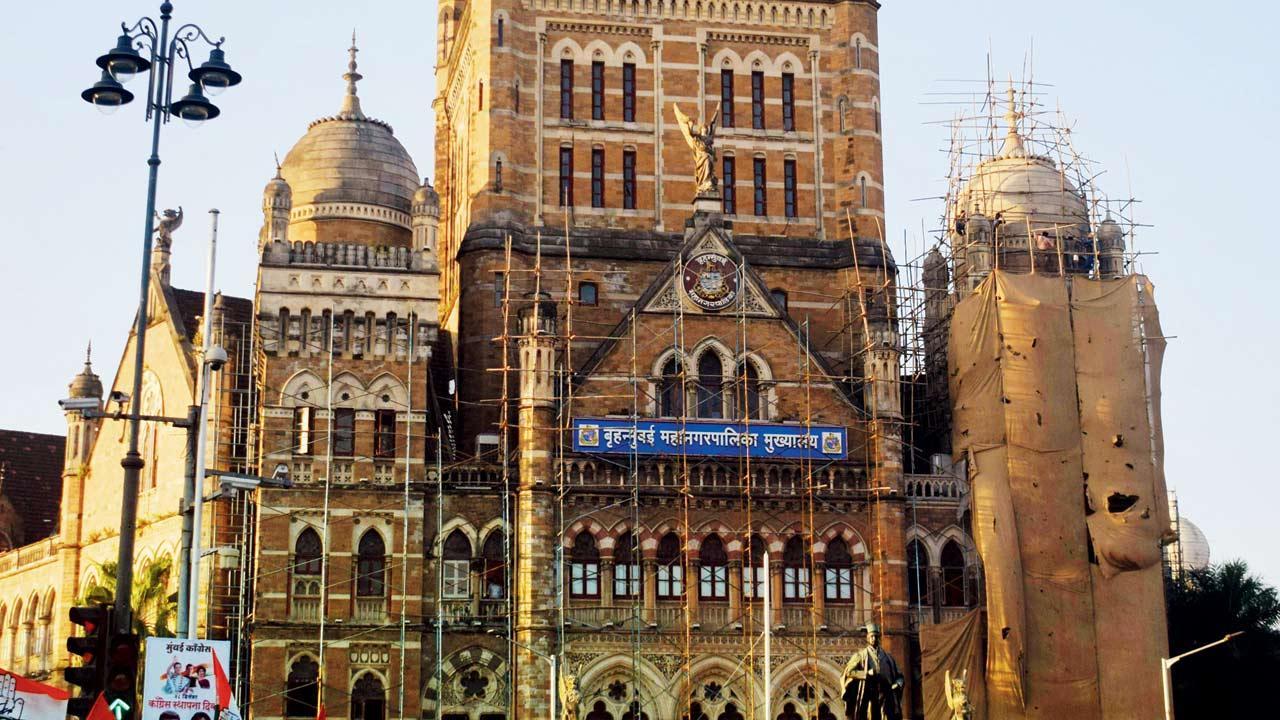
The BMC elections, expected after April 2025 due to pending Supreme Court cases on ward delimitation and councillor numbers, will be pivotal for Mumbai’s local governance. The BMC, India’s richest civic body, has been under administrator rule for over two years, leading to public frustration over civic issues like water shortages, poor roads, and urban heat.
Potential Outcomes and Impacts
- BJP’s Push for Control: The BJP, buoyed by its 2024 assembly success, aims to dominate the BMC, leveraging its 15 Mumbai seats and alliances with Shinde’s Shiv Sena. A BJP victory could align BMC policies with state priorities, ensuring funding and execution of projects like Metro expansions and coastal roads.
- Shiv Sena (UBT)’s Fight for Relevance: Uddhav Thackeray’s faction, weakened by assembly losses, sees the BMC polls as a do-or-die battle to retain influence in Mumbai, its traditional stronghold. A solo contest, as hinted by party leaders, could split the anti-BJP vote but also galvanize Marathi and minority voters (e.g., Muslims in areas like Mankhurd).

- Civic Governance Challenges: The Vote Vibe survey indicates voter dissatisfaction with the lack of elected corporators and deteriorating infrastructure. A BJP-led BMC might prioritize technocratic solutions, while Shiv Sena (UBT) could focus on identity-driven campaigns. Congress and NCP (SP) face challenges in maintaining relevance but could influence outcomes in closely fought wards.
- Ward Delimitation Impact: The BMC will have 236 wards (up from 227), with new wards in areas like Worli, Bandra, and Kurla. About 25% of ward boundaries have been redrawn, affecting representation in areas with population shifts due to redevelopment or slum rehabilitation. This could alter local power dynamics, favoring parties with strong grassroots networks.
Key Civic Issues
- Water Scarcity: Mumbai’s water shortages, as seen in Dombivli, remain a pressing issue. The Mahayuti’s Gargai Pinjal project aims to reduce rain dependency, while MVA’s desalination proposal is less likely to be revived under current leadership.
- Climate and Sustainability: Mumbai’s climate action plan needs rigorous implementation to address heat, flooding, and pollution. The 2025 BMC elections will determine whether these plans gain traction or remain underfunded.
- Public Transport and Open Spaces: Initiatives like merging suburban bus systems and reclaiming open spaces (e.g., Mahalaxmi Race Course park) depend on the BMC’s leadership. A Mahayuti-led BMC is likely to prioritize state-aligned projects, while an MVA-led BMC might focus on community-driven solutions.
3. Broader Implications for Mumbai’s Future
- Economic Hub Status: Mumbai’s role as India’s financial capital hinges on political stability and infrastructure development. The Mahayuti victory signals continuity, but failure to address unemployment and farm distress (relevant to Mumbai’s peri-urban areas) could dampen investor confidence.
- Social Equity: Policies like cash handouts to women have swayed voters but raise concerns about fiscal sustainability. Mumbai’s diverse population, including migrants and marginalized communities, demands inclusive policies, which will test the BMC’s governance post-2025.
- Urban Livability: Issues like safety, public transport, and green spaces are critical for Mumbaikars. The 2025 BMC elections will shape whether Mumbai prioritizes long-term solutions over short-term populist measures.
4. Uncertainties and Considerations
- BMC Election Timing: Delays due to Supreme Court cases could prolong administrator rule, frustrating residents and delaying civic reforms.
- Voter Priorities: While infrastructure projects resonate, unresolved issues like water shortages and urban heat could shift voter sentiment in 2025.
- Alliance Dynamics: The MVA’s potential to go solo (e.g., Shiv Sena UBT contesting alone) could fragment opposition votes, benefiting Mahayuti.
Conclusion
The 2024 Maharashtra Assembly election results have set Mumbai on a path of continued infrastructure development under Mahayuti, with projects like the Coastal Road and Metro likely to reshape the city’s landscape by 2030. However, the 2025 BMC elections will be the real battleground for local governance, determining how effectively Mumbai addresses civic issues like water, transport, and sustainability. The BJP’s current lead suggests a development-focused future, but Shiv Sena (UBT)’s emotional connect and voter dissatisfaction could make the BMC polls competitive. Mumbai’s future hinges on balancing growth with livability, and the next year will be critical in setting that trajectory.
If you want a deeper dive into specific projects, voter data, or a particular election (e.g., BMC or national), let me know!

Hi, How are you dear. Hope you are good