

The Israel-Iran Conflict: A Comprehensive Update and Strategic Assessment (June 2025)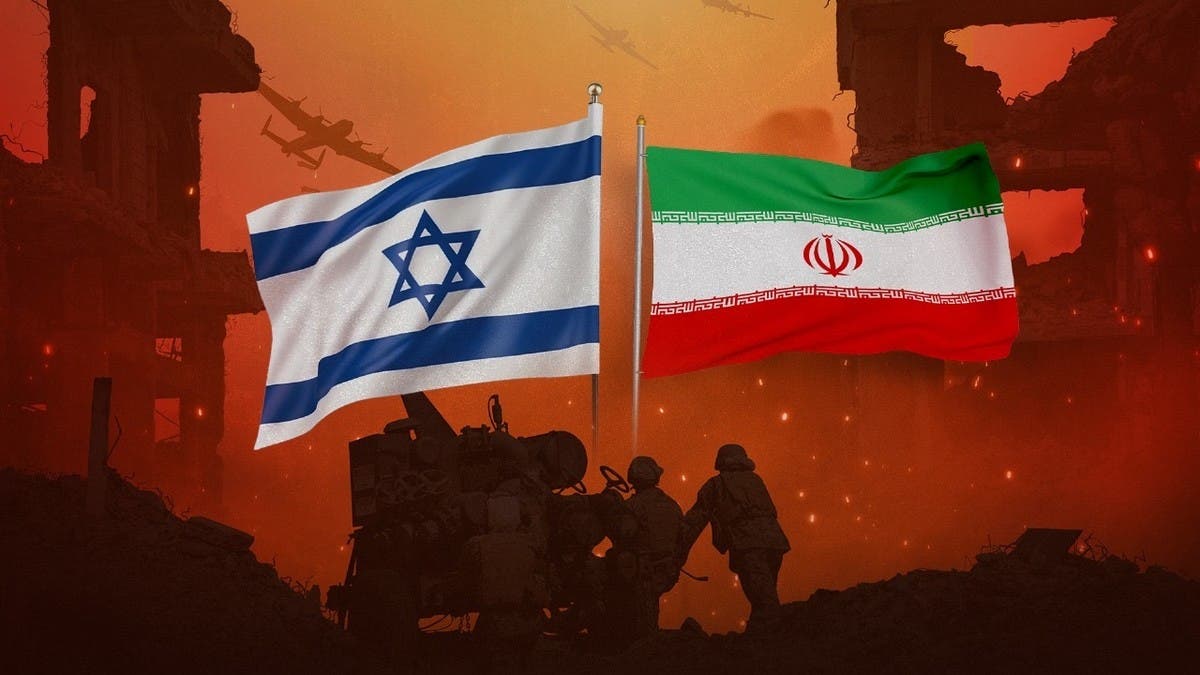
internet source
Executive Summary
As of late June 2025, the conflict between Israel and Iran has escalated into overt, large-scale military confrontation, fundamentally altering the long-standing covert rivalry between the two nations. Israel initiated "Operation Rising Lion" on June 13, targeting Iran's nuclear infrastructure and conventional military capabilities with extensive airstrikes. These operations have reportedly set back Iran's nuclear program significantly and degraded its missile and command-and-control networks. The United States has directly intervened, striking key Iranian nuclear sites and declaring them "obliterated," further intensifying the conflict.
Iran has retaliated with hundreds of missiles and drones, though Israeli air defenses have intercepted the vast majority, limiting casualties and damage within Israel. The human cost in Iran, however, is substantial, with independent groups reporting significantly higher civilian casualties than official Iranian figures. Diplomatic efforts, particularly European-led talks in Geneva, have stalled, reflecting a deep impasse between the belligerents and a fractured international consensus on resolution strategies.
Economically, the conflict has spiked global geopolitical risk and energy prices, with concerns mounting over the critical Strait of Hormuz. The information environment remains challenging, particularly from Iran, due to internet shutdowns and state media control, hindering accurate assessments. The current trajectory suggests a high risk of further escalation, driven by U.S. maximalist demands and Iran's defiant stance, while de-escalation opportunities remain elusive amidst a complex web of regional and global interests.
I. Current Military Operations and Impact
The ongoing conflict between Israel and Iran, which commenced with Israel's "Operation Rising Lion" on June 13, 2025, represents a significant shift from a shadow war to direct, large-scale military engagements.1 This period has been marked by intensive Israeli offensive operations, Iranian retaliatory strikes, and direct military involvement by the United States.
A. Israeli Offensive Operations
Israel's campaign began with a large-scale assault on Iran's nuclear program and conventional military capabilities, shattering a longstanding covert stalemate and ushering in a volatile new phase of open military confrontation.3 The primary objective, as stated by Israeli Prime Minister Benjamin Netanyahu, is to prevent Iran from acquiring a nuclear weapon, a threat Israel perceives as imminent.1
Israeli targeting strategy has been comprehensive, focusing on critical strategic assets across Iran. Nuclear facilities have been central to these strikes, including uranium enrichment sites at Natanz and Fordow, centrifuge production facilities and chemical laboratories in Esfahan, and the Arak heavy water reactor.1 Netanyahu has asserted that these strikes have set Iran's nuclear program back a "very, very long time".5 Beyond nuclear sites, Israel has targeted Iran's military infrastructure, including top military leaders, Quds Force command centers, and ballistic missile storage and launch sites, particularly underground bases in western Iran.3 Israeli military officials claim to have destroyed over 120 surface-to-surface missile launchers, representing approximately one-third of Iran's total inventory, and declared "full aerial superiority over Tehran's skies".3 The elimination of senior officers in the IRGC Aerospace Force and Quds Force, such as Gen. Ali Shadmani and Amin Pour Joudaki, the commander of the 2nd Drone Regiment, is viewed by Israel as a "deep and comprehensive blow to the Iranian threat".5
A notable tactic employed by Israel has been issuing evacuation warnings to civilians ahead of strikes, a practice previously observed in Gaza and Lebanon. This was seen in central Tehran, where 330,000 people were warned, and near Rasht's Industrial City.5 Israeli airstrikes have demonstrated a broad geographic reach, extending into cities like Rasht on the Caspian Sea.8
B. Iranian Retaliatory Actions
In response to the Israeli offensive, Iran has launched a significant number of retaliatory missiles and drones. By June 16, Iran had reportedly launched over 370 missiles and hundreds of drones, with estimates rising to 450 missiles and 1,000 drones by June 22.2
Despite the volume of Iranian projectiles, their effectiveness has been largely limited. Israel's multi-tiered air defenses have intercepted the vast majority, with Israel reporting a 99% interception rate for drones.2 Nevertheless, some Iranian munitions have caused damage and casualties. A drone successfully struck a home in Beit Shean 6, and missiles have impacted residential buildings in central Israel, an oil refinery in Haifa, and near the American consulate in Tel Aviv.5 Air raid sirens have become a regular occurrence across Israel, including in Dimona, the location of Israel's nuclear program.7 As of June 22, the human toll in Israel stands at least 24 people killed and over 500 injured.2
C. U.S. Military Involvement
The United States has transitioned from a supportive role to direct military engagement in the conflict. President Donald Trump announced that U.S. forces struck three key Iranian nuclear sites: Fordow, Natanz, and Isfahan, with B-2 bombers reportedly involved.1 President Trump declared these strikes a "spectacular military success," asserting that Iran's key nuclear enrichment facilities were "completely and totally obliterated".1
Beyond direct strikes, the U.S. has repositioned military aircraft and warships in and around the Middle East to protect Israel from Iranian attacks and to respond to threats against U.S. military installations.7 The U.S. has also provided direct assistance to Israel in shooting down incoming Iranian missiles.11 President Trump's stance indicates a strong desire for a decisive end to the conflict, stating he is "not looking at a ceasefire" but a "real end" that could involve Iran "giving up entirely".7 He has set a two-week window for deciding on further U.S. involvement, while also acknowledging a "substantial chance of negotiations".12
D. Casualties and Humanitarian Impact
The conflict has resulted in significant human cost, particularly within Iran. While Iran's last official update on June 17 reported 224 people killed and 1,277 wounded, independent assessments paint a more severe picture.5 The Washington-based Human Rights Activists group reported on June 20 that at least 657 people had been killed across Iran, including 263 civilians and 164 security force personnel, with 2,037 wounded.2 By June 22, Al Jazeera reported that Iran's foreign minister stated over 400 people killed and 3,056 wounded.9
The conflict has also exacerbated existing humanitarian crises, notably in Gaza, where Israel has blocked fuel deliveries for 16 weeks, leading to a dramatic increase in acutely malnourished children.13 Regionally, downed missiles and drones have caused damage and casualties in Syria, Lebanon, and Iraq, though these nations have largely remained outside the direct conflict.14
The combined Israeli and U.S. strikes represent a concerted effort to dismantle Iran's capacity for both conventional deterrence and nuclear weaponization. The high interception rate of Iranian projectiles suggests a critical vulnerability in Iran's ability to project power conventionally against advanced air defenses. This degradation could compel Iran to re-evaluate its immediate response strategies, potentially pushing it towards either a more desperate, asymmetric escalation, such as cyberattacks or intensified proxy actions, or a reluctant return to serious diplomatic engagement from a position of weakness. The stated goal of preventing Iran from acquiring a nuclear weapon is being actively pursued through military means, indicating a shift in the perceived urgency or efficacy of non-military containment.5 This military campaign aims to fundamentally alter the balance of power in the region by denying Iran key strategic capabilities, potentially reshaping Iran's long-term geopolitical ambitions and its relationship with its "Axis of Resistance" proxies.
Furthermore, the direct U.S. military action significantly raises the stakes and the risk of broader conflict. President Trump's "all or nothing" rhetoric, demanding Iran "give up entirely," combined with direct U.S. strikes on critical nuclear facilities, signals a maximalist approach that leaves little room for a negotiated, partial de-escalation. This posture could be perceived by Iran as an existential threat, potentially removing incentives for restraint and increasing the likelihood of a more aggressive or unpredictable response, despite its degraded capabilities. Warnings from Iran about "irreparable damage" if the U.S. intervenes indicate a perceived red line and a willingness to retaliate against U.S. interests, even if its conventional capacity is reduced.12 The U.S. has moved from a supportive role to a direct combatant, fundamentally altering the conflict's dynamics. This could either force a quicker resolution through overwhelming force or trigger a wider regional conflagration involving U.S. assets and interests, a scenario many international bodies and some U.S. political factions seek to avoid.10
Table 1: Key Military Engagements and Casualties (June 13-22, 2025)
II. Status of Iran's Nuclear Program
The current conflict is deeply intertwined with the international community's long-standing concerns regarding Iran's nuclear ambitions. Military operations have directly targeted Iran's nuclear infrastructure, leading to varying assessments of the program's current status and intense diplomatic pressure.
A. Impact of Strikes on Iranian Nuclear Facilities
Israeli assessments, articulated by Prime Minister Netanyahu, indicate that strikes have significantly set back Iran's nuclear program, possibly for a "very, very long time".5 Specific targets have included critical uranium enrichment sites such as Natanz and Fordow, centrifuge production facilities in Esfahan, and the Arak heavy water reactor.1
The United States has corroborated the severity of these impacts through its own direct military actions. President Trump declared U.S. strikes on Fordow, Natanz, and Isfahan nuclear sites as a "spectacular military success," claiming they were "completely and totally obliterated".1
The International Atomic Energy Agency (IAEA) has been a critical voice throughout this period. Its head, Rafael Grossi, has repeatedly warned that Iran possesses enough enriched uranium to produce several nuclear bombs should it choose to do so.5 Grossi has also expressed grave alarm regarding attacks on nuclear reactors, particularly the Bushehr power plant, highlighting the risk of a "very high release of radioactivity" in the event of a direct hit.2 While Israel has avoided targeting operational nuclear reactors, the IAEA confirmed that "key buildings" at the Arak heavy water reactor were damaged, though no contamination risk was present as the facility was not operational and contained no nuclear material.2 Following the U.S. strikes, the IAEA reported no increased off-site radiation levels.9
Iran, for its part, consistently maintains that its nuclear program is peaceful, despite enriching uranium up to 60%, a level far exceeding civilian energy needs.2 Iranian military leaders have vowed further attacks, asserting that current operations are merely "warning and deterrence," with a "punishment operation" to be carried out soon.7 Iran also claimed to have evacuated three nuclear sites prior to the U.S. strikes.1
B. International Concerns and Diplomatic Pressure
International bodies and key nations have voiced strong concerns and initiated diplomatic efforts to manage the crisis. Leaders of the Group of Seven (G7) countries have called for de-escalation while unequivocally reaffirming that Iran "can never have a nuclear weapon".11
European diplomacy has been particularly active. Britain's foreign secretary, David Lammy, emphasized that the situation "remains perilous" but that a "window now exists within the next two weeks to achieve a diplomatic solution".8 French Foreign Minister Jean-Noël Barrot articulated that military operations might delay the nuclear problem but cannot eliminate it, stressing the necessity of negotiations aimed at achieving "zero (uranium) enrichment".13
The U.S. position, while involving direct military action, still acknowledges a diplomatic path. President Trump has expressed skepticism regarding Iran's claims of peaceful nuclear use, pointing to their vast oil reserves as a reason they would not need nuclear power for civilian purposes.13 He has indicated that diplomacy remains an option, though he is "not too much in the mood to negotiate".7
The direct military targeting of Iran's nuclear facilities by both Israel and the U.S. signals a shift from containment to active degradation, demonstrating a high-risk strategy to prevent proliferation. This aggressive approach, while potentially setting back Iran's program, could also be perceived by Tehran as a direct challenge to its sovereignty and a justification for further nuclear advancements or withdrawal from international safeguards, even if only to regain deterrence. The IAEA's warnings about enriched uranium levels underscore the immediate proliferation risk, making the military strikes a desperate measure to buy time for diplomacy, which itself is struggling. The conflict is fundamentally a desperate attempt to resolve the Iranian nuclear question through force, with high risks of unintended consequences, including potentially accelerating Iran's decision to weaponize if its conventional deterrent is deemed insufficient and its nuclear program is under direct military assault.
While militarily effective in setting back Iran's nuclear program, striking these sites introduces significant environmental and humanitarian risks, as highlighted by the IAEA.2 Even if non-operational facilities are hit, the precedent of targeting nuclear infrastructure could normalize such actions in future conflicts, increasing global nuclear safety concerns. Iran's claim of evacuating sites suggests a level of preparedness for such attacks, but also indicates the severe threat perceived by Tehran.1 This creates a dangerous feedback loop where military action intended to prevent proliferation inadvertently raises the stakes and potential for catastrophic accidents, further complicating any diplomatic off-ramps. The conflict is not just a conventional war; it is a high-stakes gamble with potential radiological consequences. The international community, particularly the IAEA, is caught between the imperative of non-proliferation and the dangers of military action against sensitive sites, highlighting the need for robust international norms against such targeting.
III. Diplomatic Efforts and International Responses
The escalating Israel-Iran conflict has spurred various diplomatic initiatives and elicited diverse reactions from key international actors, yet a clear path to de-escalation remains elusive.
A. European and UN Diplomatic Initiatives
European nations have actively pursued diplomatic avenues. On June 20, Iranian Foreign Minister Abbas Araghchi met with top European diplomats from the UK, France, Germany, and the EU in Geneva, marking the first face-to-face talks since the crisis erupted.8 These talks, while yielding "hopes of further talks," did not result in any immediate concrete breakthrough.18 European nations reiterated their concerns about the "expansion" of Iran's nuclear program and its perceived lack of "credible civilian purpose".18
Iran's stance during these discussions was nuanced. Araghchi expressed willingness to continue dialogue with European countries and the EU but firmly stated that Iran was "not seeking negotiations" with the U.S., which it views as a "partner in these crimes".18 He emphasized that Iran's "defensive capabilities are not negotiable" and that any future talks would focus "solely on the nuclear issue and regional matters," explicitly excluding discussions on its missile program.13 The diplomatic effort ultimately stalled, as Iranian officials reportedly could not reach Supreme Leader Khamenei to authorize further talks, with Khamenei believed to be in hiding due to assassination concerns.19 Araghchi reiterated that there was "no room for negotiations until Israeli aggression stops".19
The United Nations Secretary-General, Antonio Guterres, has expressed profound alarm over the use of force, warning of potentially catastrophic consequences for civilians, the region, and the world.13 He has urgently called for de-escalation and a return to serious negotiations to establish "a credible, comprehensive and verifiable solution" for Iran's nuclear program.13
Regionally, Arab foreign ministers convened an emergency meeting in Istanbul at Iraq's request to discuss the broader repercussions of the conflict.13 They issued a stark warning that the expansion of the conflict could lead to the targeting of energy facilities and the closure of the Strait of Hormuz.13
B. Positions of Key International Actors
The responses of major global and regional players highlight a fragmented international approach to the conflict.
The United States, despite its direct military involvement, maintains that diplomacy remains an option. President Trump has indicated he would decide on further U.S. military action within two weeks, acknowledging a "substantial chance of negotiations".12 However, his public statements have also been uncompromising, calling for Iran to "give up entirely" and expressing that he is "not too much in the mood to negotiate".7 Domestically,
Democrats are divided on the issue, with progressives advocating against U.S. military intervention, while more mainstream figures, though cautious, affirm Israel's right to self-defense. Some Democrats have openly criticized Israel's strikes, suggesting they undermine nuclear talks.10
Israel, through Prime Minister Netanyahu, has lauded President Trump's "bold decision" to strike Iranian nuclear sites, stating that it would "change history" and that actions were taken in "full coordination" with the U.S..1 Israel consistently asserts its right to self-defense.11
The United Kingdom and Germany have emphasized the need for a diplomatic solution. British Foreign Secretary David Lammy noted the "perilous" situation but highlighted a "window" for diplomacy within the next two weeks.8 German Foreign Minister Johann Wadephul observed "very serious talks" in Geneva, suggesting a chance for de-escalation if Tehran demonstrates "serious and transparent readiness" to refrain from nuclear weapons.13 Notably, German Chancellor Merz expressed strong support for Israel's actions, stating that "Israel is doing the dirty work" for the international community.4
Iran's allies, often referred to as the "Axis of Resistance," have largely condemned U.S. actions and vowed support for Iran. Hamas and Houthi rebels have called on Muslim nations to join "Jihad and resistance" against "Zionist and American aggression".17 However,
Hezbollah in Lebanon, a powerful Iranian-backed group, has remained largely quiet since a U.S.-brokered ceasefire in November 2024 ended its previous conflict with Israel.14 Lebanese leaders have indirectly urged Hezbollah to avoid involvement in the current conflict, citing the detrimental impact on their economically fragile nation.20
Gulf states find themselves in a delicate position, expressing grave concern about regional stability and economic shockwaves. While many, such as Saudi Arabia and the UAE, prefer Iran not to obtain a nuclear weapon, they are also navigating recent détente efforts with Iran and maintaining significant ties with Israel. Oman and Qatar are actively pursuing ceasefire negotiations behind the scenes.4
C. International Evacuations and Embassy Closures
The volatile security situation has prompted several countries to take precautionary measures, including temporarily closing embassies in Tehran and organizing evacuations of their nationals from both Iran and Israel. Switzerland, the UK, Italy, Czech Republic, Slovakia, Australia, and New Zealand have all undertaken such actions, reflecting the perceived instability and risk in the region.13 The U.S. State Department reported over 25,000 Americans seeking information and support for leaving the region.13
The failure of the Geneva talks, coupled with Iran's condition for cessation of Israeli aggression and President Trump's maximalist demands, creates a fundamental diplomatic impasse. The reported inability to reach Supreme Leader Khamenei to authorize talks highlights a potential breakdown in Iran's decision-making process under duress, further complicating any diplomatic breakthroughs.19 This suggests that military actions are currently outpacing and undermining diplomatic avenues, leading to a dangerous cycle where each side's military move hardens the other's negotiating position, making de-escalation increasingly difficult. Without a viable diplomatic off-ramp, the conflict is likely to continue escalating, with military force becoming the primary means of communication and leverage between the belligerents. This could lead to prolonged instability and increased humanitarian costs, as international efforts to mediate are rendered ineffective by the parties' entrenched positions.
The international community's response is fragmented, lacking a unified front on how to address the conflict. While Western powers generally align on preventing an Iranian nuclear weapon, there are clear differences in approach, such as the U.S. direct intervention versus European emphasis on diplomacy, and Germany's explicit support for Israeli action.4 This lack of a cohesive international strategy provides both Israel and Iran with room to maneuver, potentially emboldening them to pursue their objectives without fear of unified external pressure. Within the Middle East, the conflict is forcing a re-evaluation of alliances, with Iran's "Axis of Resistance" vowing support while some Gulf states navigate a complex path between containing Iran and maintaining regional stability, highlighting a delicate balance of interests and fears.4 The absence of a strong, unified international front risks prolonging the conflict and exacerbating regional instability. It also underscores the complex and often contradictory interests of various global and regional actors, making a comprehensive resolution highly challenging and increasing the likelihood of proxy conflicts and shifting alliances in the broader Middle East.
IV. Geopolitical and Economic Ramifications
The Israel-Iran conflict extends far beyond the immediate belligerents, casting a long shadow over regional stability and global economic conditions.
A. Regional Stability and the "Axis of Resistance"
The back-and-forth attacks have propelled the Middle East into "greater upheaval," exacerbating an already tense geopolitical landscape.5 Central to Iran's regional influence is its "Axis of Resistance," a network of proxies including Hamas in Gaza, Houthi rebels in Yemen, and Hezbollah in Lebanon.15
Each component of this axis faces distinct challenges in the current conflict. Hamas has condemned U.S. strikes and remains under "blistering attack" from Israel since its October 7, 2023, attack, with most of its senior leaders killed and its capacity significantly reduced.17 The
Houthi rebels have also condemned U.S. strikes and vowed support for Iran, calling for "Jihad and resistance." However, their military assets in Yemen have been "pounded by Israeli warplanes for months," complemented by U.S. and British strikes aimed at curbing their threat to shipping.17
Notably, Hezbollah, a powerful Iranian-backed group in Lebanon, has remained "largely quiet" since a U.S.-brokered ceasefire in November 2024 ended 14 months of intense fighting with Israel.14 Despite its strong ties to Iran, Hezbollah has given no indication of joining the current fray. Lebanese leaders have explicitly urged Hezbollah to stay out of the conflict, recognizing that any engagement would be detrimental to their small nation, which is already engulfed in a severe economic crisis and struggling to recover from its recent war with Israel.20
Beyond these direct proxies, the broader regional impact includes downed missiles and drones falling in Syria, Lebanon, and Iraq, causing damage.14 Arab foreign ministers have voiced grave concerns, warning that an expansion of the conflict could lead to the targeting of energy facilities and the critical closure of the Strait of Hormuz.13
The Gulf states find themselves in a complex dilemma. While Gulf monarchies express profound concern about regional stability and potential economic shockwaves, many, including Riyadh and the UAE, would prefer that Iran does not obtain a nuclear weapon. Simultaneously, they are navigating recent efforts to establish détente with Iran and maintain lucrative, geopolitically significant ties with Israel. States like Oman and Qatar are openly attempting to mediate ceasefire negotiations, with other Arab monarchies pressing behind the scenes for an end to the regional chaos.4
The relative restraint of Hezbollah, despite its strong ties to Iran, suggests several possibilities: its significant losses in the recent conflict with Israel have severely degraded its capacity for large-scale operations 14; there might be a strategic decision by Iran to avoid opening multiple fronts simultaneously, prioritizing direct defense and nuclear program protection; or a recognition by Hezbollah and Lebanese leadership of the catastrophic consequences of another war for Lebanon's already fragile state.20 This limited direct engagement by proxies means Iran is bearing the brunt of the direct military conflict, which could force a re-evaluation of its "Axis of Resistance" strategy or highlight its limitations as a conventional deterrent. The current conflict is primarily a direct Israel-Iran confrontation, rather than a regional proxy war. This could indicate a strategic shift where Iran's proxies are either unable or unwilling to participate in a full-scale direct conflict, potentially weakening Iran's regional influence or forcing it to rely more heavily on its own direct military capabilities, which are currently under severe pressure.
B. Global Economic Consequences
The conflict has immediately impacted the global economy, adding another layer of geopolitical uncertainty to an already strained outlook.21 The geopolitical risk index, a measure of adverse geopolitical events, spiked to its highest daily level since Russia's full-scale invasion of Ukraine in February 2022 following Israel's initial strike on June 13.21
Energy markets have reacted sharply. Brent crude prices have risen by approximately 10% and natural gas prices by about 7% since the conflict began on June 13.21 A major concern is the direct impact on the Strait of Hormuz, one of the world's most critical oil transit chokepoints. Daily data from the International Monetary Fund (IMF) already indicate a notable decline in the number of cargo and tanker ships passing through this shipping lane.21 The closure of the Strait could lead to the loss of nearly five million barrels of oil per day to global markets.13
While immediate commodity price responses have occurred, the macroeconomic consequences, particularly for inflation, are expected to be "more muted than initially feared".21 Analysis suggests that the inflationary effect is likely to peak after about a year and remain relatively contained, ranging from 0.2 to 0.4 percentage points in major economies. Central banks have acknowledged the heightened uncertainty stemming from the conflict but have not yet triggered direct policy responses.21
Broader economic impacts include heightened uncertainty, which could lead to more cautious behavior from businesses and consumers, delaying investment and spending decisions. Early signs are visible, with flights and cargo vessels rerouting away from the Middle East, resulting in longer travel times, higher insurance premiums, and increased freight costs, which may squeeze profit margins and weigh on business activity.21 Countries in the immediate vicinity, such as Egypt, Jordan, and Lebanon, are likely to experience sharp falls in their tourism revenues, exports, and foreign investments.21 The conflict also adds to global fiscal strain, given elevated U.S. import tariffs, persistent trade policy uncertainty, and high public debt, limiting governments' options for public spending. A renewed wave of migration, if the conflict escalates, could place further strain on the public finances of neighboring countries.21
The explicit warnings from Arab states about the Strait of Hormuz and the immediate market reaction underscore its role as a critical global economic artery.13 Iran, facing significant military pressure and potential degradation of its nuclear program, might view disrupting the Strait as a powerful asymmetric lever to impose costs on the international community and force de-escalation or concessions. This threat, if realized, would trigger a severe global energy crisis, potentially compelling a more forceful and unified international intervention, not necessarily to protect Israel, but to secure global energy supplies. The Strait of Hormuz represents a major "tripwire" for global economic stability. Its vulnerability introduces a high-stakes dimension to the conflict, potentially transforming a regional military confrontation into a global economic crisis, thereby increasing the pressure on international actors to find a rapid resolution.
Table 2: Economic Indicators Impacted by the Conflict (June 2025)
V. Information Environment and Casualty Verification Challenges
The conflict's information environment is characterized by significant opacity and control, particularly from the Iranian side, posing considerable challenges for accurate assessment and casualty verification.
A. Iranian Information Control
Iran has implemented severe measures to control the flow of information, both domestically and internationally. The country has shut off its internet to the outside world for at least 36 hours, making it "incredibly difficult" to obtain information from within the country.8 This digital blackout restricts the Iranian public's access to external news and simultaneously limits external observers from accessing Iranian news outlets' websites.8
State-run media in Iran offers "irregular updates," frequently focusing on the damage inflicted by Iranian strikes on Israel while minimizing or omitting reports of domestic casualties.8 An incident on June 16 saw an Iranian state television broadcast abruptly cut after its headquarters were hit by bombs, switching to prerecorded programs.5 State TV later reported a cyberattack by Israel, which briefly interrupted broadcasts with anti-government videos.16 These actions underscore the regime's efforts to manage the public narrative. Furthermore, Iran is recognized as one of the world's top jailers of journalists, imposing strict restrictions on reporting even during normal times, which are only intensified during conflict.8 Iranian authorities have also consistently offered "no acknowledgement of the attacks," a pattern that has become common as Israeli airstrikes intensified.7
B. Discrepancies in Casualty Figures
The tight information control directly contributes to significant discrepancies in reported casualty figures from Iran. Iran's last official update on June 17 stated 224 people killed and 1,277 wounded.5 By June 22, Iran's foreign minister provided an updated figure of over 400 people killed and 3,056 wounded.9
In contrast, independent assessments offer a much higher toll. The Washington-based Human Rights Activists group reported on June 20 that at least 657 people had been killed across Iran, including 263 civilians and 164 security force personnel, with 2,037 wounded. This organization cross-checks local reports against a network of sources it has developed within the country.2 In Israel, the casualties are more consistently reported, with 24 people killed and over 500 injured.2
Iran's severe information control measures, including internet shutdowns and tight media restrictions, serve as a strategic tool to manage domestic dissent, prevent external influence, and control the narrative of the conflict. This creates a significant challenge for international observers and policymakers in accurately assessing the true extent of damage, casualties, and public sentiment within Iran. The discrepancy in casualty figures is a direct consequence of this opacity, making it difficult to gauge the regime's resilience or the potential for internal unrest.8 The information blackout hinders effective international response and humanitarian aid efforts, as the true scale of the crisis remains obscured. It also suggests that Iran is acutely aware of the potential for internal instability if the full impact of the strikes were widely known, highlighting a vulnerability that external actors might seek to exploit or that could lead to unforeseen internal dynamics.
VI. Outlook and Potential Scenarios
The current trajectory of the Israel-Iran conflict indicates a highly volatile situation with significant potential for further escalation, while opportunities for de-escalation remain fragile and complex.
A. Potential Escalation Pathways
Several factors point towards continued escalation. The U.S. direct involvement and President Trump's two-week decision window on further strikes, coupled with his stated position of "not looking at a ceasefire" but seeking a "real end" to the conflict, suggest a high probability of increased U.S. military action.7
Iranian retaliation is also a significant risk; despite degraded capabilities, Iran has vowed "punishment operations".7 This could manifest in asymmetric tactics, including cyberattacks, as suggested by reports of an Israeli cyberattack on Iranian state TV 4, or intensified proxy actions, even if key proxies like Hezbollah have shown restraint thus far.
The targeting of nuclear reactors represents a critical red line. The IAEA's strong warning about the Bushehr reactor underscores that a direct hit would have catastrophic radiological consequences, almost certainly triggering a severe international response beyond the current scope of the conflict.2 Another major escalation point is the
Strait of Hormuz. As a critical global oil transit chokepoint, any Iranian attempt to limit navigability would trigger a severe global energy crisis and likely a robust international military response to secure shipping lanes.13 Finally, the inherent
risk of miscalculation by any party, including involving U.S. forces or Iran's proxies, remains high given the intense military activity and the controlled information environment. Such miscalculations could easily restart the escalatory spiral.4
B. De-escalation Opportunities
Despite the grim outlook, some avenues for de-escalation persist. The continued efforts of European diplomats to seek dialogue, with a perceived "window" for a diplomatic solution, offer a potential off-ramp.8 A comprehensive deal, potentially involving "zero uranium enrichment" and limits on ballistic missiles, has been proposed as a framework for such discussions.13 The
U.S. diplomatic path also remains open, with President Trump indicating that diplomacy is an option and the possibility of sending envoys.7 His two-week decision window on further military action also implies a period for potential negotiations.12
While Iran has expressed a strong disinclination to negotiate with the U.S., it has indicated a readiness to continue talks with Europeans on the nuclear issue.13 Furthermore, the high civilian casualties and mounting economic strain within Iran could eventually exert
internal pressure on the regime to seek de-escalation, although Supreme Leader Khamenei has defiantly vowed that "the Iranian nation is not one to surrender".8
C. Strategic Implications for Regional and Global Security
The conflict has fundamentally transformed the covert Israeli-Iranian rivalry into an overt military confrontation, with significant implications for regional power dynamics.4 The substantial degradation of Iran's conventional and nuclear capabilities could reshape its regional influence and the role of its proxies. The
U.S.-Israel alliance has politically solidified during this period, yet underlying fissures related to intelligence assessments and anxieties over deeper American entanglement remain evident.4
Beyond the immediate military and political spheres, the conflict exacerbates existing humanitarian crises, particularly in Gaza 13, and carries the risk of triggering a new wave of migration across the region.21 Globally, continued conflict threatens
energy security and supply chains, with broader inflationary pressures impacting economies worldwide.21
The intense military pressure on Iran's nuclear and conventional military infrastructure, while intended to deter proliferation, could paradoxically accelerate Iran's decision to weaponize. If Tehran perceives its conventional deterrent as ineffective and its nuclear program as under existential threat, it might conclude that only a fully realized nuclear capability can guarantee its regime survival. This creates a dangerous "use it or lose it" dynamic, where the very act of degrading capabilities pushes the adversary towards the ultimate escalation. The defiant stance of Supreme Leader Khamenei reinforces this potential for a desperate, non-surrender approach.15 The current military strategy, while achieving short-term gains, might inadvertently shorten the timeline for a nuclear Iran or trigger a more unpredictable, asymmetric response, forcing a re-evaluation of the strategic benefit versus the peril of unraveling regional stability.4
The internal dynamics within Iran represent a critical, yet largely opaque, factor in the conflict's future. The significant civilian casualties and the severe economic strain imposed by the conflict and sanctions could fuel widespread resentment among the Iranian population, as seen in past protests.2 While the regime is actively suppressing information, sustained pressure might lead to internal challenges that could either force the regime to seek de-escalation to preserve domestic stability or, conversely, prompt it to escalate externally to rally nationalistic support and distract from internal woes.8 The regime's historical response to protests indicates a willingness to use force to maintain control, but the scale of the current external threat is unprecedented. Any significant internal instability could either provide an opportunity for de-escalation or, more dangerously, lead to unpredictable and desperate actions by a cornered regime, adding another layer of complexity to the already volatile situation.
Conclusion
The current Israel-Iran conflict in June 2025 marks a dangerous new phase of overt military confrontation, driven by Israel's determination to dismantle Iran's nuclear program and conventional military capabilities, now directly supported by the United States. While Israeli and U.S. strikes have inflicted significant damage on Iran's strategic assets, Iran's retaliatory measures, though numerous, have been largely mitigated by advanced Israeli air defenses. The human toll in Iran is substantial, yet obscured by severe information control measures, making accurate assessment challenging.
Diplomatic efforts are currently at an impasse, characterized by Iran's refusal to negotiate with the U.S. and the reported inability to secure authorization from its Supreme Leader for broader talks. This diplomatic deadlock, coupled with the maximalist demands from the U.S., suggests that military actions are currently the primary means of leverage, increasing the risk of prolonged conflict.
The geopolitical landscape is further complicated by the varied responses of international actors, highlighting a fractured consensus on how to manage the crisis. While Iran's "Axis of Resistance" proxies have largely shown restraint in direct engagement, the potential for escalation remains high, particularly concerning the critical Strait of Hormuz, which poses a significant global economic vulnerability.
The conflict presents a paradox: military actions aimed at preventing nuclear proliferation could inadvertently accelerate Iran's decision to weaponize if it perceives an existential threat. The internal stability of the Iranian regime, under pressure from casualties and economic strain, represents a critical unknown that could influence future foreign policy decisions. Without a significant shift in posture from either side or a unified, effective international mediation effort, the conflict is poised for continued volatility, with profound implications for regional security and global stability.
Works cited
Iran Hits Israeli Sites, Ben Gurion Airport After US Strike, Israel Fires ..., accessed on June 22, 2025, https://www.ndtv.com/world-news/iran-attacks-israel-after-us-strikes-nuke-sites-air-sirens-in-tel-aviv-8729617
A week into war, Israel and Iran trade fire as Europe's diplomatic effort yields no breakthrough, accessed on June 22, 2025, https://apnews.com/article/israel-iran-war-nuclear-gaza-news-06-20-2025-8adbedb3427a76be7dbde4a18a05f75f
Israel's attack and the limits of Iran's missile strategy, accessed on June 22, 2025, https://www.iiss.org/online-analysis/online-analysis/2025/06/israels-attack-and-the-limits-of-irans-missile-strategy/
The Israel-Iran Conflict: Global and Regional Ramifications - Steptoe, accessed on June 22, 2025, https://www.steptoe.com/en/news-publications/stepwise-risk-outlook/the-israel-iran-conflict-global-and-regional-ramifications.html
Israel warns 300,000 people in Tehran to evacuate | AP News, accessed on June 22, 2025, https://apnews.com/article/israel-iran-missile-attacks-nuclear-news-06-16-2025-c98074e62ce5afd4c3f6d33edaffa069
Iran Update Special Report, June 21, 2025, Morning Edition ..., accessed on June 22, 2025, https://www.understandingwar.org/backgrounder/iran-update-special-report-june-21-2025-morning-edition
Intense Israeli strikes hit Tehran after Trump demands 'unconditional surrender', accessed on June 22, 2025, https://apnews.com/article/israel-iran-missile-attacks-nuclear-news-tehran-trump-06-17-2025-3f08988b5e8fd375645967b6e22916f3
The Latest: Israel threatens Iran's supreme leader as Iranian strikes wound over 200, accessed on June 22, 2025, https://apnews.com/article/israel-palestinians-iran-war-latest-06-19-2025-14b868f4514a7c337d5b9859de130bf0
LIVE: Iran says Trump betrayed diplomacy, US voters after attacks - Al Jazeera, accessed on June 22, 2025, https://www.aljazeera.com/news/liveblog/2025/6/22/live-us-joins-israels-attacks-on-iran-bombs-three-nuclear-sites
Democrats are at odds over Israel-Iran war as Trump announces U.S. strikes on Iran - PBS, accessed on June 22, 2025, https://www.pbs.org/newshour/politics/democrats-are-at-odds-over-israel-iran-war-as-trump-announces-u-s-strikes-on-iran
The Latest: Trump says all of Tehran should evacuate 'immediately', accessed on June 22, 2025, https://apnews.com/article/israel-palestinians-iran-war-latest-06-16-2025-8633d291e79806ac498645ee04e059be
Iran Issues New Grave Warning to Trump, US: 'Very Dangerous', accessed on June 22, 2025, https://time.com/7296396/iran-new-warning-trump-united-states-israel-conflict-dangerous/
The Latest: Israel and Iran trade strikes as European diplomacy ..., accessed on June 22, 2025, https://apnews.com/article/israel-palestinians-iran-war-latest-06-20-2025-7c3307c446da24fb8f8ac038e93b9b85
War-weary Syrians and Lebanese watch from the sidelines as missiles fly in Israel-Iran conflict, accessed on June 22, 2025, https://apnews.com/article/iran-israel-syria-lebanon-spectators-557493e12736646f7ae290b8e768e993
Things to know about Iran's supreme leader as he faces his greatest test, accessed on June 22, 2025, https://apnews.com/article/what-to-know-iran-ayatollah-khamenei-b0bb95a8970411db38f4a7cb4719fc79
Iran's leader rejects calls to surrender and warns that intervention would harm the US, accessed on June 22, 2025, https://apnews.com/article/israel-iran-missile-attacks-nuclear-news-tehran-trump-06-18-2025-c6c90028dc340e2716724412fcec2cf0
U.S. strikes on Iran nuclear facilities see Hamas and the Houthis ..., accessed on June 22, 2025, https://www.cbsnews.com/news/us-strikes-iran-nuclear-sites-world-reaction-israel-hamas-houthis/
Europeans' meeting with top Iranian diplomat yields hope of more talks but no breakthrough, accessed on June 22, 2025, https://apnews.com/article/iran-nuclear-geneva-talks-europe-israel-0c9b3dff338f279c85d94885cb1b51b8
European Effort to Halt Israel-Iran Conflict Falters - FDD, accessed on June 22, 2025, https://www.fdd.org/analysis/2025/06/21/european-effort-to-halt-iran-israel-conflict-falters/
Lebanese leaders indirectly urge Hezbollah to stay out of the Israel-Iran conflict, accessed on June 22, 2025, https://apnews.com/article/lebanon-israel-hezbollah-iran-aoun-salam-b4e37d2635d862d05b55df84e6f416aa
Could tensions between Iran and Israel trigger a new wave of inflation?, accessed on June 22, 2025, https://economicsobservatory.com/could-tensions-between-iran-and-israel-trigger-a-new-wave-of-inflation

Hi, How are you dear. Hope you are good