

Key Points
- Research suggests improving infrastructure, especially tackling illegal constructions, could enhance urban planning in Surat.
- It seems likely that enhancing road safety, particularly for pedestrians, is crucial given current accident rates.
- The evidence leans toward expanding sustainable initiatives, as Surat is already a leader in this area.
- Leveraging technology for governance and ensuring inclusive economic growth may also improve livability.
Infrastructure and Urban Planning
Surat faces challenges with illegal constructions, often linked to corruption. To address this, stricter enforcement of building regulations and increased accountability for officials are necessary. This could involve digital platforms for citizens to report issues, ensuring transparency.
Public Safety
Road safety, especially for pedestrians, is a concern, with 40% of traffic being pedestrians but inadequate infrastructure. Improving sidewalks, crosswalks, and BRTS corridor design, along with public education, could reduce accidents.
Environmental Sustainability
Surat is a leader in sustainability, with 34% renewable energy and increased green cover. Continuing to reduce pollution, promote green buildings, and expand public awareness could further enhance its efforts.
Technology and Economic Growth
Using technology for transparent governance and ensuring inclusive economic growth, like better education and healthcare, can make Surat more livable for all residents.
Comprehensive Analysis of Urban Improvements for Surat
Surat, recognized as a smart and resilient city, is making significant strides in sustainable urban development and technological integration. However, based on recent analyses and local news, there are several areas where targeted improvements can enhance its livability, safety, and sustainability. This report provides a detailed examination of the current situation and proposes necessary changes, drawing from various sources to ensure a comprehensive understanding.
Current Context and Achievements
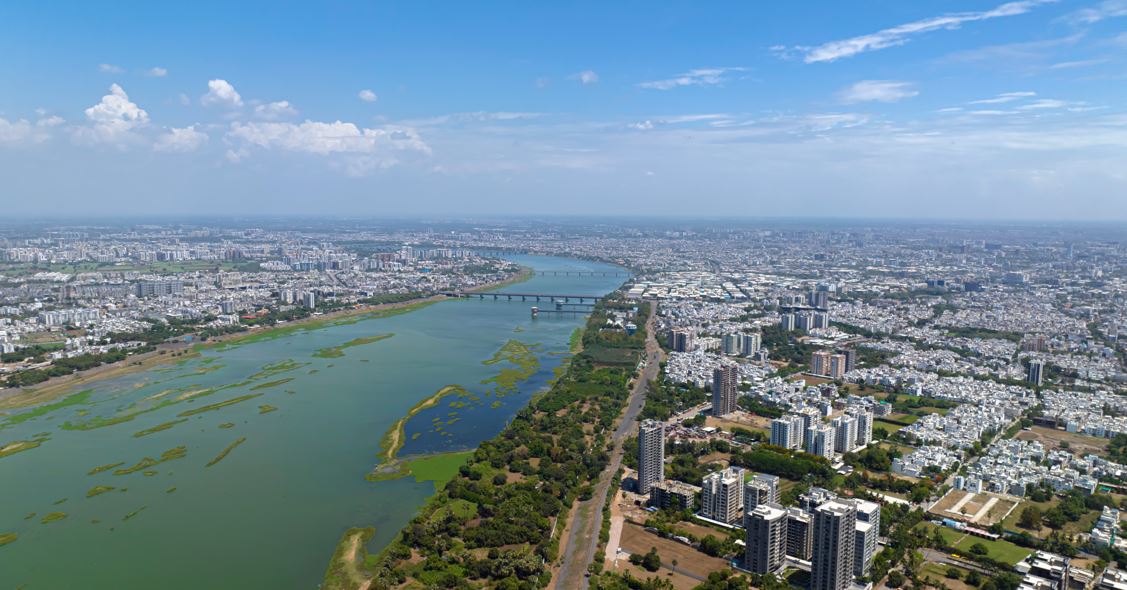
Surat, the eighth largest city in India by population according to the 2011 Census, has seen unprecedented growth over the last four decades, with a 10-fold population rise. It is part of the Resilient Cities Network and has been recognized with the 2020 UNESCO Netexplo Smart Cities Award for resilience, as well as winning the “Best Performance” award from the Ministry of Housing and Urban Affairs Smart Cities Mission for three consecutive years. The city’s resilience strategy, released in April 2017, builds on collaborations like the Asian Cities Climate Change Resilience Network, focusing on water security and flooding challenges. Additionally, Surat is leveraging technology through initiatives like smart water meters, streetlights, and a common city payment system for public transit, as highlighted in its sustainable urban development efforts .
Despite these achievements, recent reports indicate several pressing issues that need attention to make Surat a better city. These include infrastructure challenges, public safety concerns, environmental sustainability, and social-economic development, which are explored in detail below.
Detailed Analysis of Necessary Changes
1. Infrastructure and Urban Planning
Current Situation: A significant issue is the rampant illegal constructions across residential, commercial, and private buildings, as highlighted in a recent article from May 5, 2025
. BJP MLA Arvind Rana submitted a complaint alleging large-scale corruption and a nexus between corrupt officials and developers, noting that despite demolitions, illegal floors are reconstructed. The issue came to light during a city coordination meeting, with 77 FIRs registered against individuals extorting developers using RTI findings, indicating systemic enforcement challenges.
Necessary Changes:
- Strict Enforcement of Building Regulations: The Surat Municipal Corporation (SMC) must implement robust systems for verifying construction permits and ensuring compliance with urban planning laws. This includes regular inspections and swift action against violations.
- Accountability and Transparency: There should be strict disciplinary actions, including suspension or dismissal, against officials involved in corruption. A committee with IAS officers, as proposed in the meeting, should draft a Standard Operating Procedure (SOP) for curbing illegal construction and fixing official accountability. This could involve digital tracking of construction activities to enhance transparency.
- Public Awareness and Reporting: Encourage citizens to report illegal constructions through a dedicated digital platform, ensuring anonymity and protection for whistleblowers. This could be integrated into Surat’s smart city initiatives for real-time monitoring.
The following table summarizes the details of the illegal construction issue:
| Details | Information |
|---|---|
| Location | Surat |
| Authority Involved | Surat Municipal Corporation (SMC) |
| Complaint Submitted By | BJP MLA Arvind Rana |
| Complaint Submitted To | Municipal Commissioner Shalini Agarwal and other city MLAs |
| Nature of Illegal Constructions | Residential, commercial, and private buildings |
| Allegations | Large-scale corruption, unchecked unauthorized construction, nexus between corrupt officials and developers |
| RTI Misuse | Individuals extorting money from property owners using RTI data to threaten demolition |
| Legal Actions Taken | 77 FIRs registered against individuals extorting developers using RTI findings |
| Response by SMC | Municipal Commissioner surprised, assigned Deputy Municipal Commissioner Manish Doctor to investigate |
| Proposed Measures | Formation of committee with IAS officers to draft SOP for curbing illegal construction and fixing official accountability |
| Demands by Rana | Notices and strict disciplinary action, including suspension or dismissal, against involved SMC staff |
| Additional Context | Despite demolitions, illegal floors reconstructed in many buildings |
2. Public Safety
Current Situation: Road safety, particularly for pedestrians, is a major concern, as detailed in a March 2024 article by the Centre for Public Policy Research (CPPR)
. The article cites tragic incidents, such as the death of a 16-year-old schoolboy and a 23-year-old worker hit by state transport buses in January 2024. Trip rate statistics reveal that 40% of the city’s overall traffic consists of pedestrians, yet the pedestrian safety infrastructure is lacking. The Area Based Development (ABD) plan covers only 3% of the total city area for pedestrian walkways, and the BRTS corridor faces issues with unauthorized vehicle entry due to continuous openings, posing safety hazards. Public transport ridership includes 7 to 8 lakh commuters using autorickshaws and 2.4 lakh using buses, indicating high usage but potential safety risks.
Necessary Changes:
- Enhance Pedestrian Infrastructure: Expand pedestrian walkways, install proper crosswalks, and ensure pedestrian signals are functional across the city, not just in the ABD zones. Given that 40% of trips are non-motorized, this is critical for safety and accessibility.
- Improve BRTS Corridor Design: Redesign the BRTS corridor to prevent unauthorized vehicle entry, such as two-wheelers and autorickshaws, and ensure it is safe for pedestrians and public transport users. This could involve physical barriers and stricter enforcement.
- Public Education and Enforcement: Launch campaigns to educate citizens on road safety, focusing on pedestrian rights and responsibilities. Strict enforcement of traffic rules, especially around public transport routes, is essential to reduce accidents.
The following table summarizes road safety issues:
| Road Safety Issue | Details | Relevant Numbers | Relevant URLs |
|---|---|---|---|
| Pedestrian accidents involving buses | Tragic death of a 16-year-old schoolboy and a 23-year-old worker hit by state transport buses. | - | - |
| Pedestrian safety infrastructure | Lack of necessary infrastructure despite 40% of city’s traffic being pedestrians. | 40% | - |
| Area covered by pedestrian walkways | Integrated into Area Based Development (ABD) plan, but ABD area is only 3% of total city area. | 3% | - |
| Non-motorized trips | Approximately 40% of total trips are non-motorized. | 40% | - |
| Public transport ridership | Autorickshaws serve 7 to 8 lakh commuters, buses have 2.4 lakh ridership. | 7-8 lakh, 2.4 lakh | - |
| BRTS corridor issues | Vehicles like two-wheelers and autorickshaws enter BRTS corridor due to continuous openings. | - | - |
3. Environmental Sustainability
Current Situation: Surat is at the forefront of India’s sustainable urban development movement, as outlined in a February 2022 article by UrbanShift .
Necessary Changes:
- Expand Sustainability Efforts: While Surat is on the right track, it should further focus on reducing air and water pollution, especially from industrial activities, given its status as a major textile hub. This could involve stricter emission standards and incentives for clean technologies.
- Promote Green Building Practices: Work with the construction sector to ensure all new buildings adhere to green building codes, reducing energy consumption and environmental impact.
- Enhance Public Awareness: Educate citizens on the importance of sustainability and encourage participation in initiatives like waste segregation, reducing plastic use, and using public transport. This could be integrated into community programs and school curricula.
The following table summarizes sustainable initiatives:
| Sustainable Initiative | Details | Progress/Targets | Relevant URLs |
|---|---|---|---|
| Renewable Energy | 34% of energy from renewable sources | - | - |
| Sewage Treatment | Treats all sewage water and generates revenue, subsidizing operational costs | - | - |
| Green Cover Expansion | Increase from 18% to more than 25% throughout the city | - | - |
| Public Transportation | Expand and electrify city bus system to reduce congestion and air pollution | - | - |
| Green Building Codes | Work with construction sector to implement standards | - | - |
| Single-Use Plastics | Aim to eliminate | - | - |
| Circular Economy Models | Initiate in waste sector | - | - |
| Biodiversity Parks | Create using native flora, improve air quality, restore ecosystems, green spaces | - | https://www.niua.org/citiis/project/creating-%E2%80%98wild-valley-bio-diversity-park%E2%80%99-city-lungs-rejuvenation-existing-wasteland-along |
| Smart Water Meters | Implement for efficient resource management | - | https://suratsmartcity.com/Documents/Projects/ABD/abd_1c_1d_2.pdf |
| Smart Streetlights | Implement for efficient resource management | - | https://suratsmartcity.com/Documents/Projects/PAN/pan_7.pdf |
| Water and Air Quality Monitoring | Meticulously monitor to identify intervention areas and track progress | - | https://suratsmartcity.com/Documents/Projects/ABD/abd_9.pdf |
| Transportation Data and Common City Payment System | Utilize to optimize public transit | - | https://suratsmartcity.com/Documents/Projects/PAN/pan_1b.pdf |
| Climate-Resilient Development in Coastal Zones | Upgrade Dumas Seafront with low-emission mobility and nature-based solutions | - | https://www.shiftcities.org/projects/india |
4. Leveraging Technology for Governance
Current Situation: Surat’s involvement in smart city initiatives, such as partnerships with Microsoft and IBM, highlights its focus on technology. The Microsoft CityNext initiative and IBM’s smart cities program have addressed challenges like waste management, disaster management, and citizen services, as noted in a Wikipedia entry from April 2024
. The city hosted India’s first Microsoft DreamSpark Yatra in 2011, and in 2015, IBM chose Surat among 16 global locations for its smart cities program, continuing cooperation into 2016.
Necessary Changes:
- Digital Platforms for Citizen Engagement: Develop user-friendly digital platforms for citizens to provide feedback, report issues (like illegal constructions or road safety concerns), and access public services. This could include mobile apps integrated with the smart city framework.
- Transparent Governance: Use technology to make municipal processes transparent, such as publishing construction permits and project statuses online, accessible via Surat Smart City.
- Data-Driven Decision Making: Utilize data from smart city initiatives, such as transportation and water usage data, to identify and address urban challenges more effectively, ensuring resources are allocated based on real-time needs.
5. Social and Economic Development
Current Situation: While specific details on social and economic issues were not extensively covered in the sources, Surat’s status as a major textile hub and its high population density suggest challenges in education, healthcare, and employment. Recent news from June 2025, such as two students from Surat being among India’s Top 100 in NEET 2025 and healthcare fraternity activities, indicate ongoing efforts
, but gaps may exist in accessibility and inclusivity.
Necessary Changes:
- Inclusive Growth: Ensure that economic development benefits all segments of society, particularly marginalized communities, by creating job opportunities in emerging sectors like technology and renewable energy.
- Education and Skill Development: Invest in education and vocational training to prepare the workforce for the city’s growing industrial and technological sectors, potentially through partnerships with educational institutions.
- Healthcare Accessibility: Improve healthcare infrastructure and ensure it is accessible to all residents, especially in underserved areas, by expanding public health facilities and integrating them with smart city services.
Conclusion
Surat is already on a promising path as a smart and resilient city, with strong sustainability initiatives and technological advancements. However, to make it a better city, the following changes are necessary:
- Infrastructure and Urban Planning: Tackle illegal constructions through strict enforcement, accountability, and public reporting.
- Public Safety: Enhance pedestrian infrastructure, improve road safety, and educate the public.
- Environmental Sustainability: Continue and expand current initiatives, focusing on reducing pollution and promoting green practices.
- Technology for Governance: Leverage technology for transparent governance and citizen engagement.
- Social and Economic Development: Ensure inclusive growth, better education, and accessible healthcare.
By addressing these areas, Surat can not only maintain its status as a leading smart city but also become a more livable and equitable city for all its residents, as of June 26, 2025.
Key Citations
- Times of India - SMC officials face heat over rampant illegal constructions in Surat
- Centre for Public Policy Research - Navigating Urban Challenges: A Journey through Surat's Road Safety Landscape
- UrbanShift - Surat: The Smart City Leading India's Sustainable Urban Development Movement
- National Institute of Urban Affairs - Creating ‘Wild Valley Bio-diversity Park’
- Surat Smart City - Smart Water Meters Document
- Surat Smart City - Smart Streetlights Document
- Surat Smart City - Water and Air Quality Monitoring Document
- Surat Smart City - Transportation Data Document
- UrbanShift - India Projects for Climate-Resilient Development
- Times of India - Latest Surat News Headlines
- Surat - Wikipedia entry on smart city initiatives

Hi, How are you dear. Hope you are good