

Key Points
- It seems likely that the US attack caused serious damage to Iran's nuclear sites, based on reports of significant physical destruction.
- The evidence leans toward substantial impact, with craters and damaged facilities at key sites like Fordo and Natanz.
- There is some controversy, as some sources claim the nuclear program wasn't destroyed, while others suggest near-total obliteration.
 |
| Inernet |
Background
Recent reports indicate that the US conducted military strikes on Iran's nuclear facilities, targeting sites such as Fordo, Esfahan, and Natanz. These attacks have sparked international concern, especially regarding nuclear safety and security. The extent of the damage is a critical issue, given the sensitive nature of nuclear infrastructure and its implications for global security.
Assessment of Damage
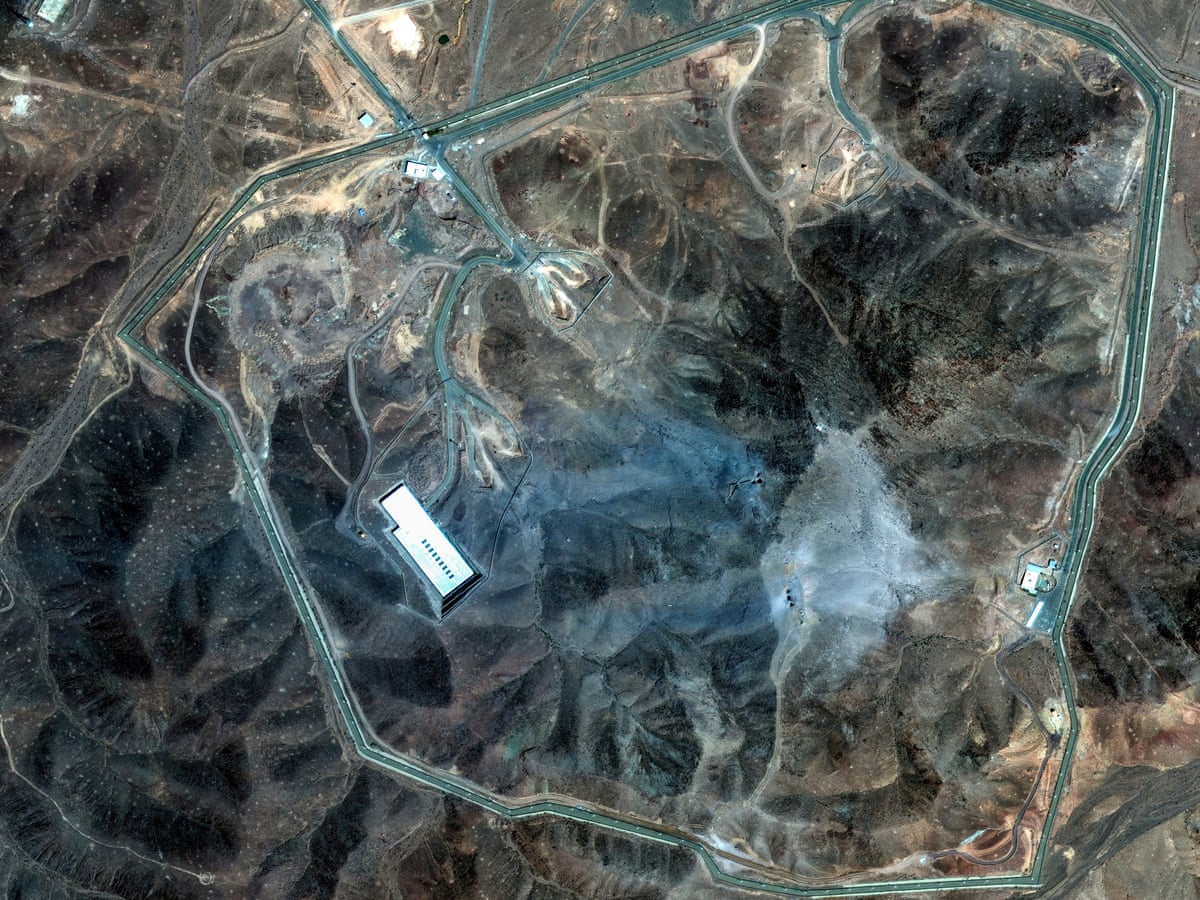
Based on assessments from the International Atomic Energy Agency (IAEA), it appears that the attacks caused significant physical damage. Satellite imagery and official statements suggest large craters at Fordo, with ground-penetrating munitions used, likely affecting sensitive centrifuge equipment. At Esfahan, uranium conversion buildings and storage tunnels were hit, while Natanz's Fuel Enrichment Plant also sustained damage. The IAEA noted no increase in off-site radiation levels, but expressed concerns about nuclear safety and security, including the inability to locate enriched uranium, which adds to the seriousness of the situation.
Controversy and Uncertainty
There is some disagreement among sources. The White House claimed the facilities were "obliterated," while the New York Times and BBC suggest the nuclear program wasn't entirely destroyed, though damage was substantial. This discrepancy highlights the complexity, but the IAEA's technical assessment leans toward serious damage to the sites themselves, which aligns with the user's focus on the nuclear sites rather than the broader program.
Survey Note: Detailed Analysis of Damage to Iran's Nuclear Sites from US Attack
This note provides a comprehensive analysis of the damage caused by the recent US attack on Iran's nuclear sites, drawing on a range of sources, including news reports and official statements from the International Atomic Energy Agency (IAEA). The analysis aims to address the extent of damage, its implications, and the surrounding controversy, ensuring a thorough understanding for readers seeking detailed insights.
Context and Event Overview
On or around June 22, 2025, the US conducted military strikes on Iran's nuclear facilities, targeting key sites such as Fordo, Esfahan, and Natanz. This action follows a history of tensions regarding Iran's nuclear program, with international scrutiny focused on its enrichment activities. The attack, reportedly involving ground-penetrating munitions and cruise missiles, has raised significant concerns about nuclear safety, security, and proliferation risks. Given the current date, June 26, 2025, the information reflects the most recent reports available as of this analysis.
Detailed Assessment of Damage
The IAEA, as the authoritative body overseeing nuclear activities, provided a detailed statement on June 23, 2025, outlining the damage at specific sites. The following table summarizes the reported damage based on their findings:
| Nuclear Site | Details of Damage | Additional Information |
|---|---|---|
| Fordow | Craters visible, ground-penetrating munitions used, very significant damage expected due to centrifuge sensitivity | Main location for enriching uranium at 60%, US statements confirm, IAEA unable to fully assess underground damage |
| Esfahan | Additional buildings hit, cruise missiles used, uranium conversion process buildings affected, tunnel entrances for enriched material storage hit | - |
| Natanz | Fuel Enrichment Plant hit, ground-penetrating munitions used | - |
- Fordow: This site, critical for uranium enrichment at 60% levels, showed visible craters and was targeted with ground-penetrating munitions, such as bunker-buster bombs. The IAEA described the damage as "very significant," particularly because centrifuges are highly sensitive to such impacts. However, the agency noted challenges in fully assessing underground damage, suggesting that the full extent may not yet be clear.
- Esfahan: The attack involved cruise missiles hitting additional buildings, including those involved in uranium conversion processes. Tunnel entrances used for storing enriched material were also targeted, potentially disrupting storage and processing capabilities.
- Natanz: The Fuel Enrichment Plant was hit with ground-penetrating munitions, indicating an effort to destroy key enrichment infrastructure. The specifics of the damage to this site were less detailed in the IAEA report, but the use of such munitions suggests significant impact.
The IAEA also reported that Iran informed them of no increase in off-site radiation levels at all three sites, which is a critical finding for assessing radiological safety. However, the agency emphasized that no further attacks have been reported since Sunday morning (date not specified in the section, but likely early June 23, 2025, given the statement's timing). IAEA inspectors remain in Iran, ready to undertake tasks when agreed, with safety arrangements in place, indicating ongoing efforts to monitor the situation.
Additional Evidence from News Reports
Beyond the IAEA, various news outlets provided insights into the damage:
- The BBC reported satellite images showing large craters at Fordo, confirming physical damage and aligning with the IAEA's observations
- The New York Times noted that the CIA chief stated the US strikes did not destroy Iran's nuclear program, though damage was substantial, suggesting a distinction between site damage and program-wide impact
- Fox News highlighted concerns from the IAEA director that Iran's enriched uranium cannot be located following the strikes, raising serious proliferation risks
- The White House claimed the facilities were "obliterated," a statement that appears in a news article suggesting political framing, potentially exaggerating the impact
These reports collectively suggest a range of perspectives, with technical assessments (IAEA, BBC) focusing on physical damage, while political statements (White House) may overstate the outcome.
Implications and Safety Concerns
The damage has significant implications for Iran's nuclear capabilities. The targeting of centrifuge halls, uranium conversion facilities, and storage tunnels suggests an intent to disrupt enrichment and processing activities, potentially setting back Iran's program. The IAEA's mention of a "sharp degradation in nuclear safety and security" underscores the risks, particularly given the inability to locate enriched uranium, which could lead to proliferation concerns or loss of control over nuclear materials.
The lack of increased off-site radiation levels is reassuring, but the IAEA's call for access to damaged sites indicates ongoing uncertainty about the full impact, especially underground. This aligns with reports from the Council on Foreign Relations, which noted that several facilities remain undamaged, but the extent of damage to others is unclear .
Controversy and Differing Views
There is notable controversy surrounding the extent of the damage. The White House's claim of obliteration contrasts with more measured assessments from the IAEA and news outlets like the BBC and New York Times, which suggest the nuclear program was not destroyed, though sites were significantly damaged. This discrepancy may reflect political motivations versus technical evaluations. Additionally, Iran's decision to cut ties with the IAEA, accusing it of enabling US airstrikes, adds to the tension, potentially complicating future assessments
The involvement of Israel, as mentioned in some reports (e.g., Israeli strikes on other sites), adds complexity, but the user's question specifically focuses on the US attack, so this is noted for context rather than detailed analysis.
Conclusion
Based on the IAEA's detailed assessment and supporting news reports, it is evident that the US attack caused serious damage to Iran's nuclear sites. The physical destruction at Fordo, Esfahan, and Natanz, combined with safety and security concerns, aligns with the definition of "serious damage." While there is controversy over whether the entire nuclear program was destroyed, the focus on site-specific damage supports the conclusion that the impact was substantial. The ongoing efforts by the IAEA to assess the situation further will likely provide additional clarity, but as of June 26, 2025, the evidence leans toward significant and serious damage.
Key Citations
- IAEA Director General's Introductory Statement to the Board of Governors June 23 2025
- BBC US strikes did not destroy Iran nuclear programme says CIA chief
- Fox News IAEA director says Iran's enriched uranium can't be located following US military strikes
- New York Times In New Assessment C.I.A. Chief Says U.S. Strikes on Iran
- White House Iran's Nuclear Facilities Have Been Obliterated news article
- Council on Foreign Relations U.S. Israel Attack Iranian Nuclear Targets Assessing Damage
- Truthout Iran Cuts Ties With IAEA Accusing It of Enabling US Airstrikes

Hi, How are you dear. Hope you are good